|
Togo -
Benin: People-to-People |
||
Dispatch 3 - Bafilo |
||
|
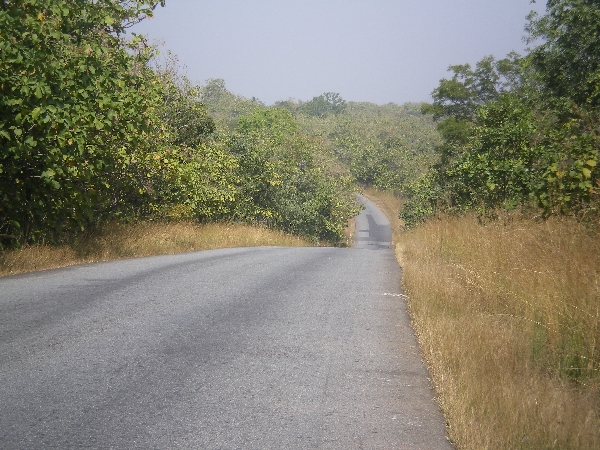
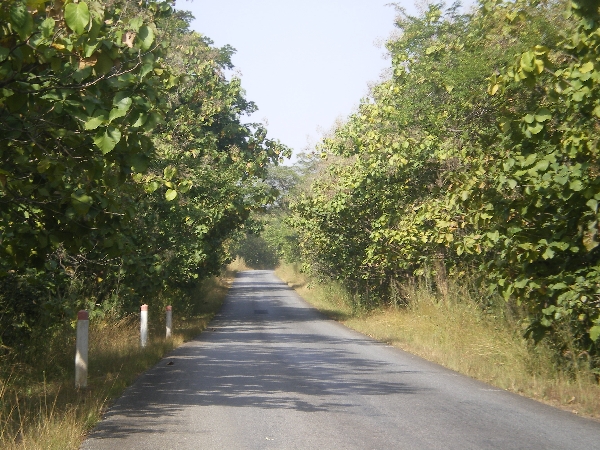
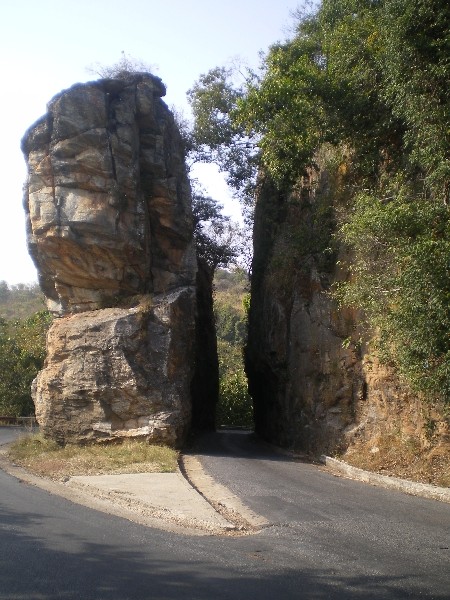
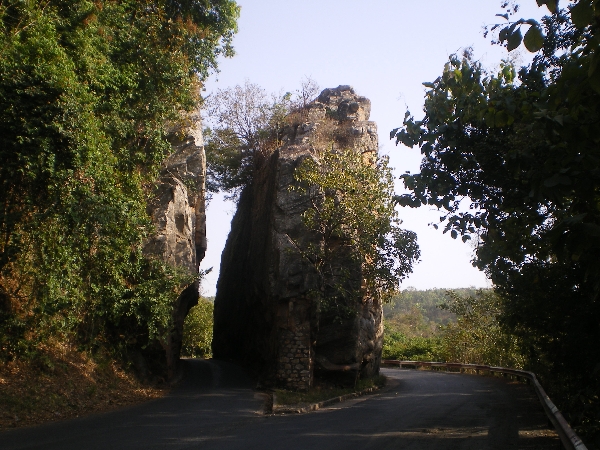
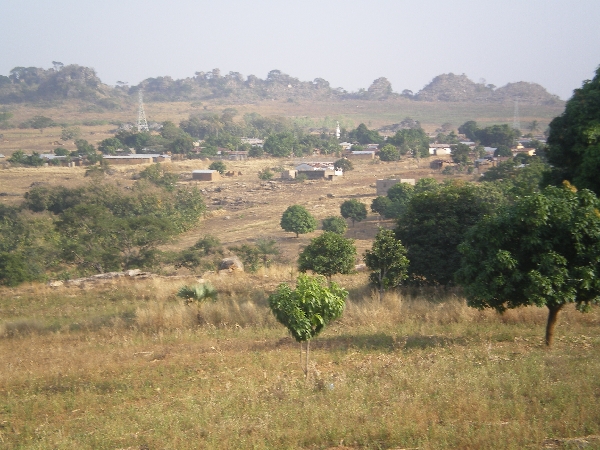
Sekode-BAFILO (50km, 30mi). A pleasant ride through several villages and
through Bafilo Pass. |
||
|
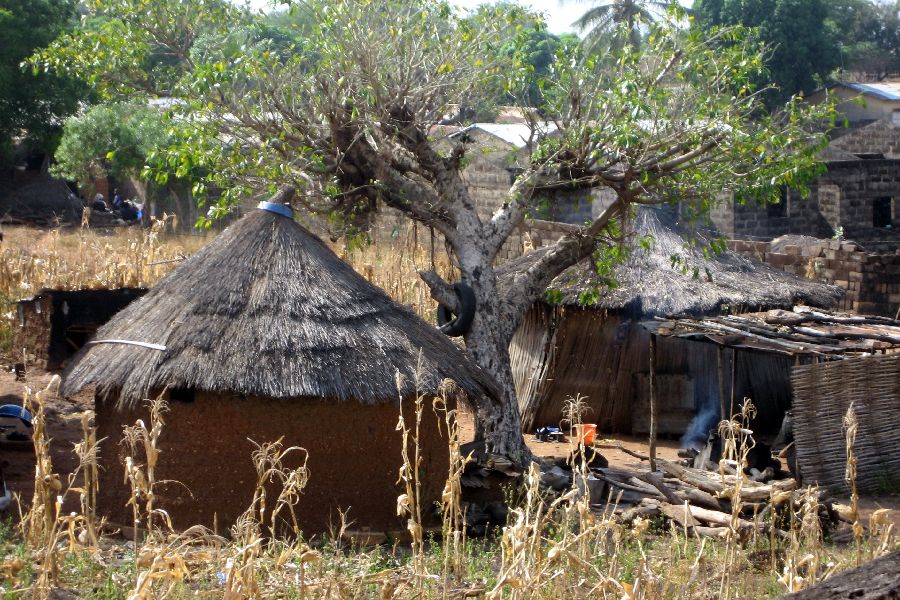
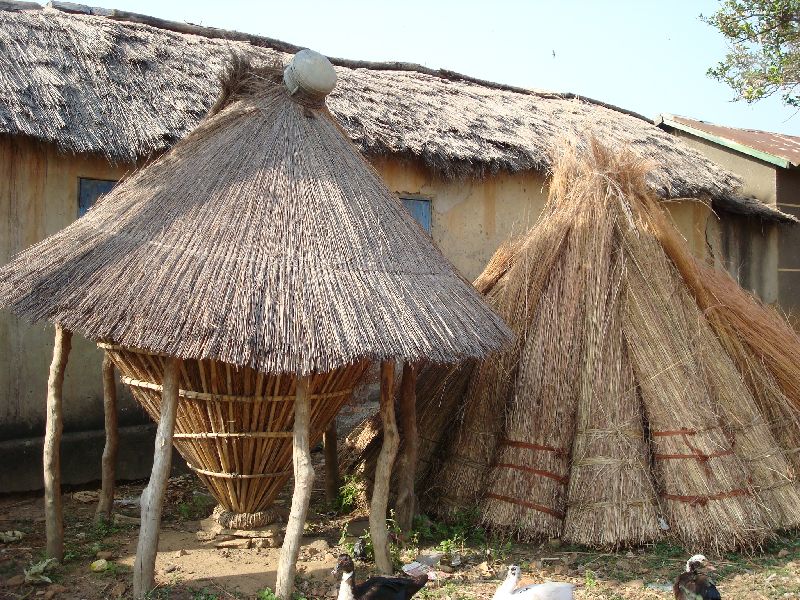
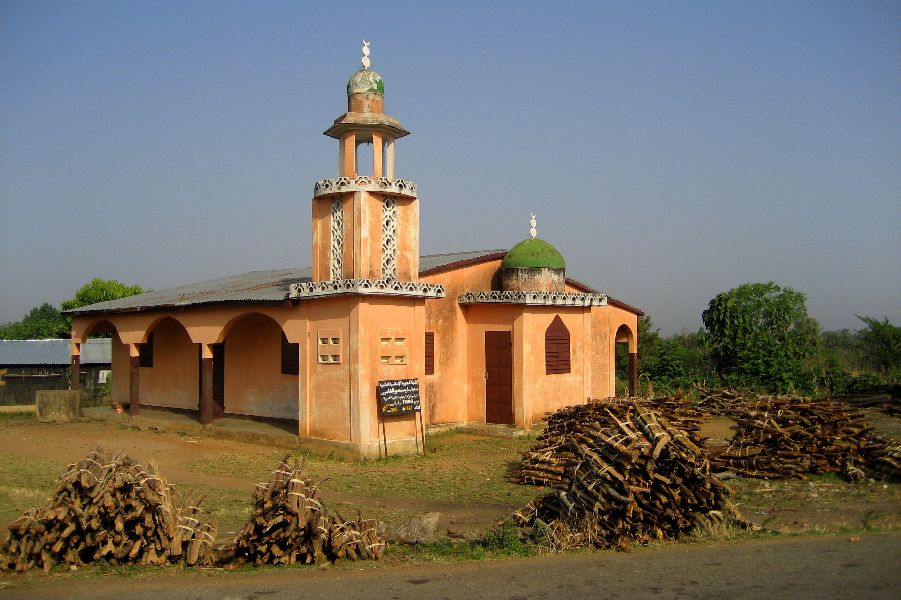
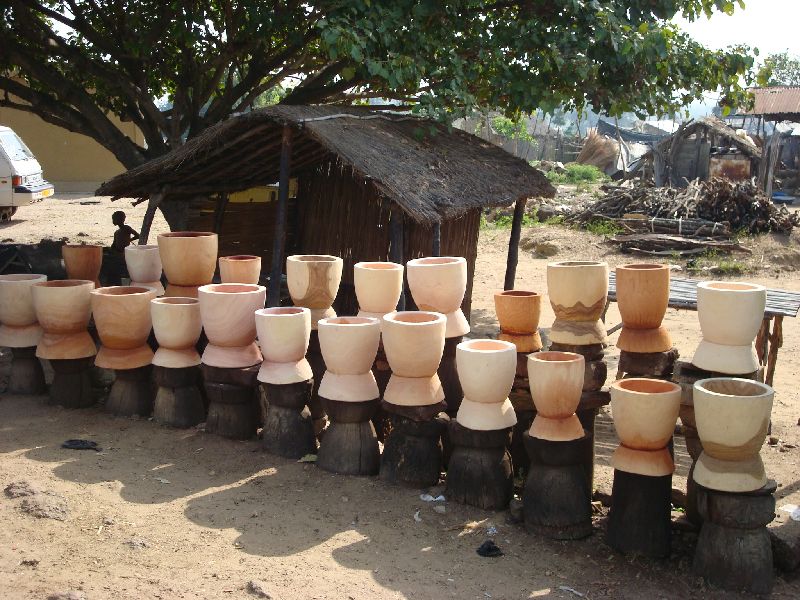
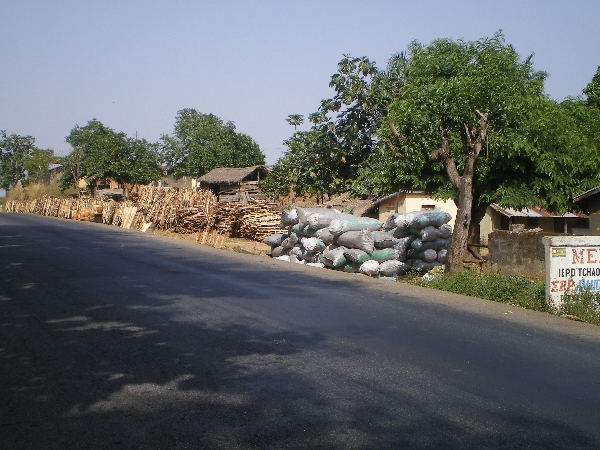
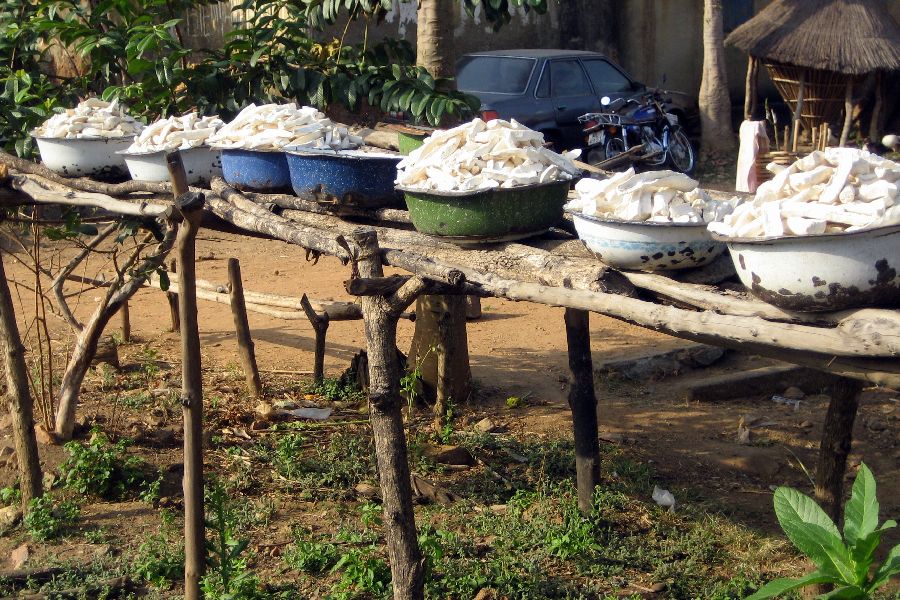
The village construction in the area used a lot of local materials for constructions. A frequent exception would be the town mosque.
|
Addendum: For as little traffic as there is on these roads you would think that the odds of two vehicle hitting each other would be slim. Despite the mathematical odds it seems to happen with some regularity. 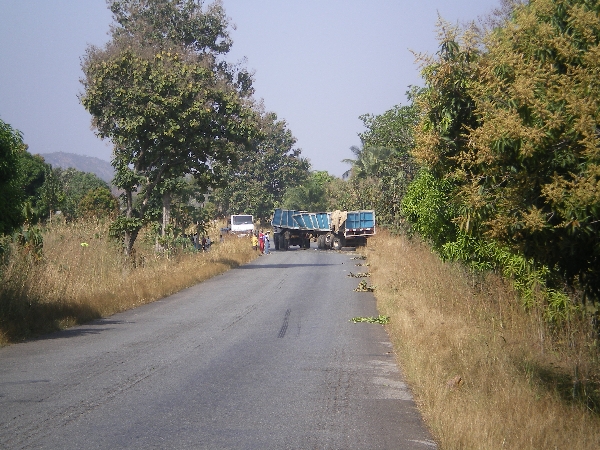 In this accident, one truck managed to bring this section of the national highway to a standstill in both directions -- with the exception that bicycles could pass. |
|
|
|
||
|
||
 |
Unique Programs To Special Places For Memories Of A Lifetime!
 Bicycle
Africa Homepage
Ibike Programs
IBF Homepage
To
Search Bicycle
Africa Homepage
Ibike Programs
IBF Homepage
To
Search
"Hosted by
DreamHost - earth friendly web hosting"
|




 Please
write
Please
write