|
Togo -
Benin: People-to-People |
||
Dispatch 5 - Koussoukoingou |
||
|
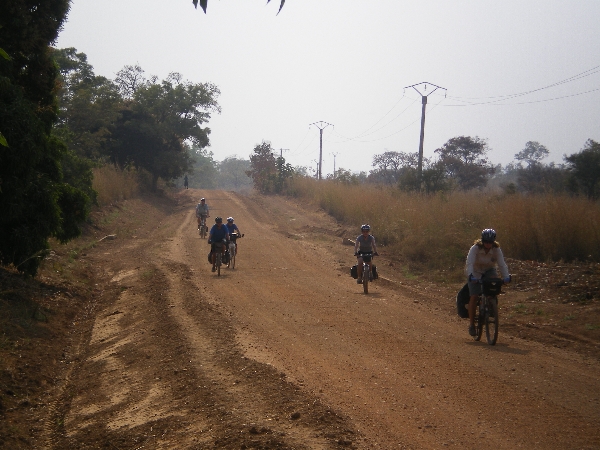
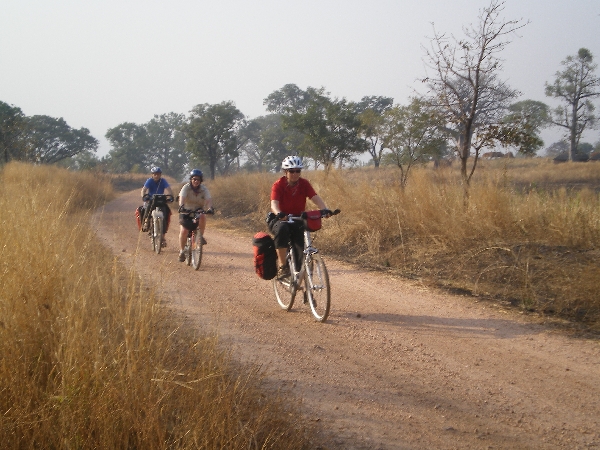
Kante-KOUSSOUKOINGOU (50km, 31mi) Dirt roads to the fascinating Tembera
area, enter Benin. |
||
|
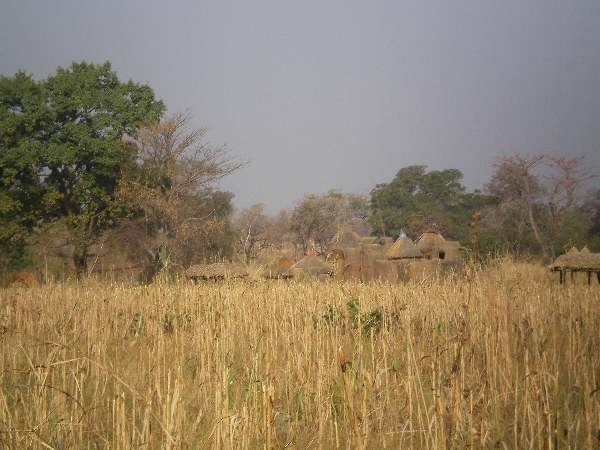
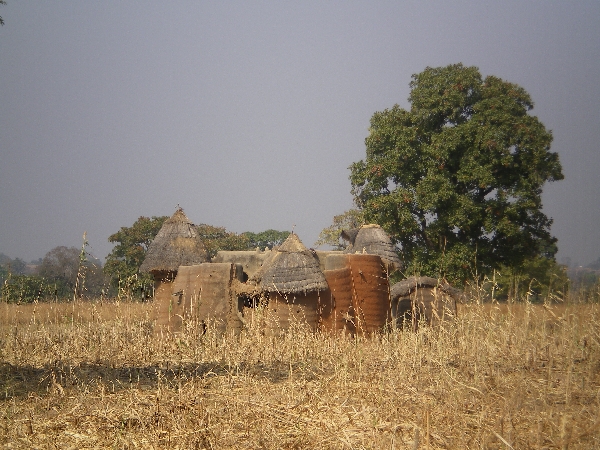
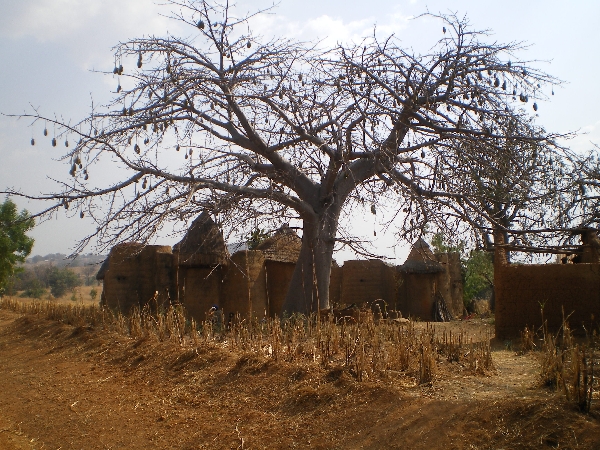
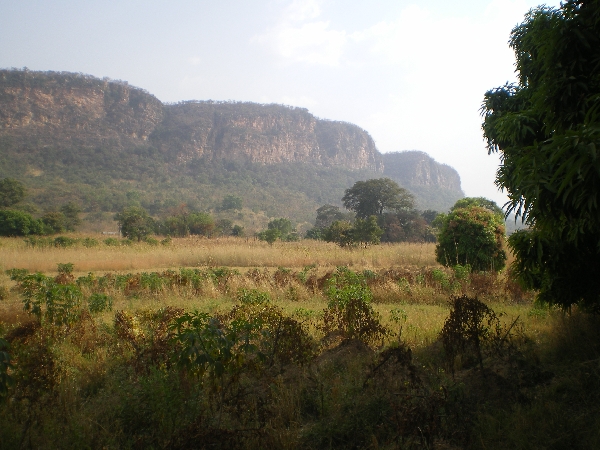
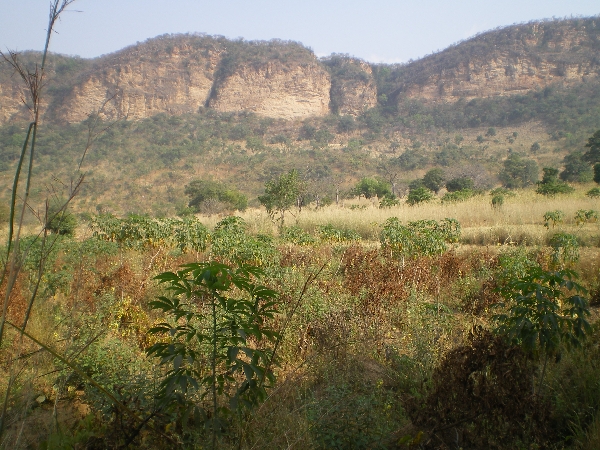
While the whole valley has a beauty to it, the ultimate reason for making the extra effort to follow this road is to see the unique residential architecture. Between Kande, Togo, and Bamouké, Benin, is the Koutammakou World Heritage area. Koutammakou is the name of the landscape. One of several names for the ethnic group in the area is Batammariba (a.k.a. Somba, Tammari and Tembera people.)
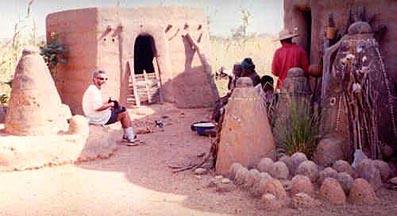
The area is known for it multi-storey, towering takienta houses, often tuck in among clumps of trees. (The house are also referred to a tata somba, which translates as "house somba".) Animals are sheltered on the ground floor at night and in bad weather cooking is done in alcoves on the ground floor. People tend to live on the first story and roof -- sleeping outside in the hot season and in round chambers when it is cooler. Granaries and agricultural product storage silos are constructed into the walls of the building or on the roof. The building's high, shear, exterior walls act well as defensive structure. This was enhanced because traditionally the house were often located up on the side of hills and in the crags of cliffs. One of the explanations for the evolution to this style of architecture was as a defense against raids (sometimes for slaves) by the Dahomey King, from the south (see "Dispatch 8").
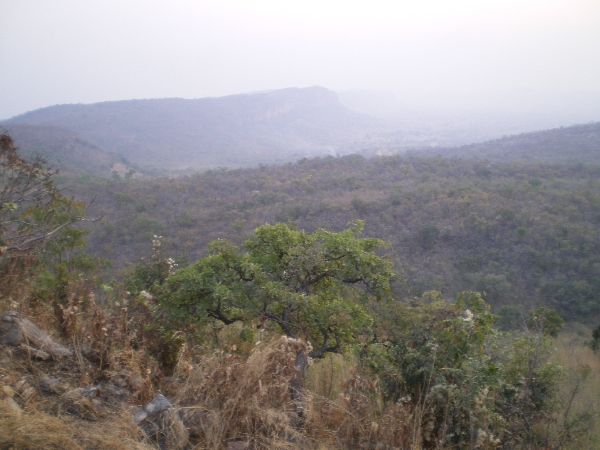
The physical location also creates a limitation for non-acclimatized visitor: Mostly set in a valley, the sun broils the land to a point that by noon, and for several hours after that, it is too hot for non-natives to be active in the open for more that a few minutes. The lesson for visitors is to finish the excursions in the morning and bring a lot of water.
|
Addendum: | |
|
|
||
|
||
 |
Unique Programs To Special Places For Memories Of A Lifetime!
 Bicycle
Africa Homepage
Ibike Programs
IBF Homepage
To
Search Bicycle
Africa Homepage
Ibike Programs
IBF Homepage
To
Search
"Hosted by
DreamHost - earth friendly web hosting"
|









 Please
write
Please
write